
Renovating vs Building New: A Quantity Surveyor’s Perspective.
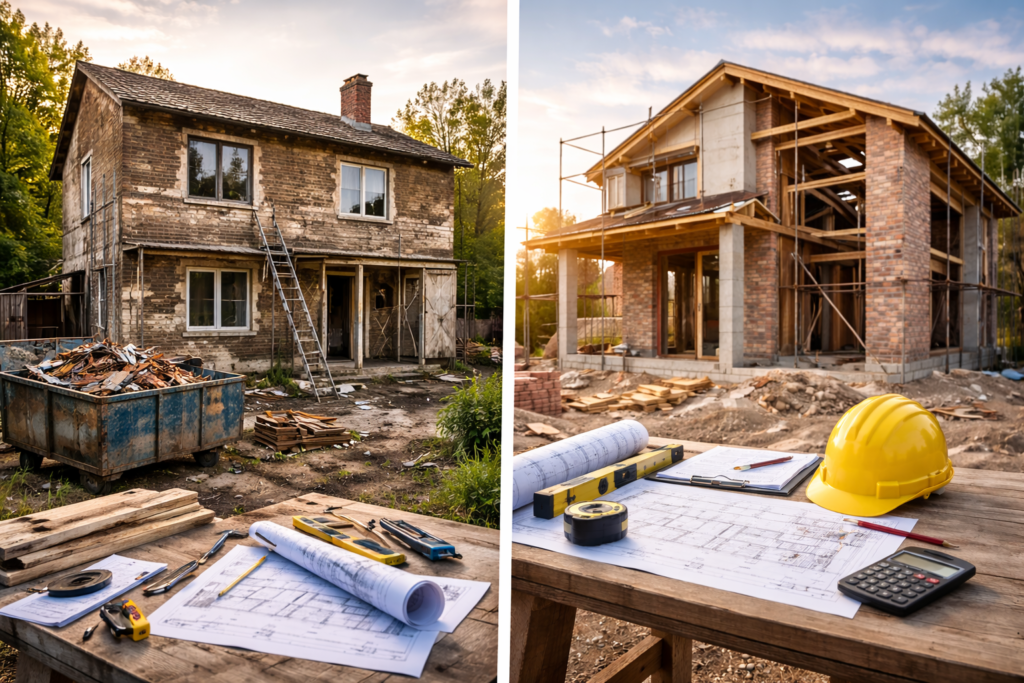
Should you renovate your existing property or build a new one?
From a Quantity Surveyor’s perspective, the answer goes beyond cost comparisons. New construction offers clarity, predictability, and full design control from the start, while renovation unlocks existing potential but requires careful investigation, risk awareness, and responsive planning.
This article explores the real differences between renovating and building new, focusing on planning philosophy, risk visibility, and long-term value. Whether upgrading an existing structure or starting from a blank canvas, the success of any project depends on clarity before commitment, proper cost planning, and professional coordination.
Why Do You Need a Quantity Surveyor Before You Start Building Your Home?
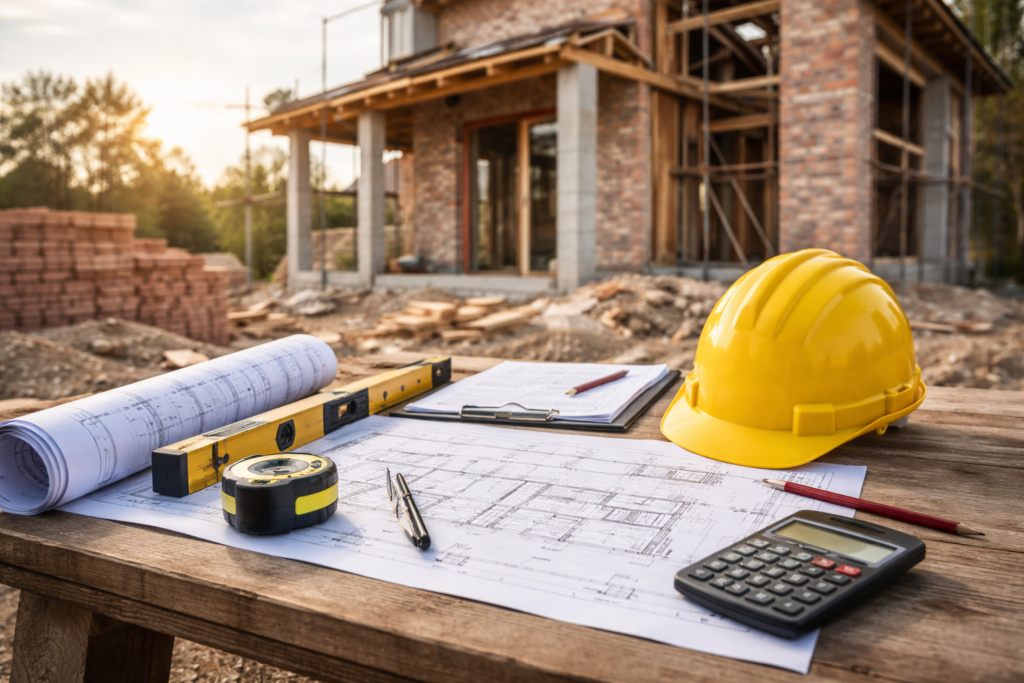
For many people, building a home takes years of saving, sacrifice, and planning. Yet one mistake made before construction begins can turn that dream into financial stress. Starting a project without knowing the true cost often leads to stalled work, overpayments, and unfinished homes.
A Quantity Surveyor acts as your financial guide throughout the building journey. Before construction starts, they reveal the real cost of your home, help you plan your budget realistically, and protect you from hidden expenses. During construction, they ensure every payment matches the work done and that your money is spent wisely.
This article explains why involving a Quantity Surveyor early is not an extra cost, but a smart investment that safeguards your home, your savings, and your peace of mind.
The Suffering Behind the Doctrine of the “Lowest Bidder” Quotation

The decision that defines the success or failure of a construction project is often made long before the first block is laid, the choice of a contractor. What appears to be a smart financial move on paper can quietly turn into a costly lesson when the lowest bid is chosen without deeper scrutiny.
Behind unusually cheap quotations often lie hidden omissions, compromised quality, and future disputes waiting to surface. As construction progresses, the true cost reveals itself through endless variations, delays, and repairs that drain both finances and peace of mind. This article unpacks why the cheapest option is rarely the most economical and why value, transparency, and professional competence remain the safest foundation for any successful project.
Designing the Perfect Bedroom:
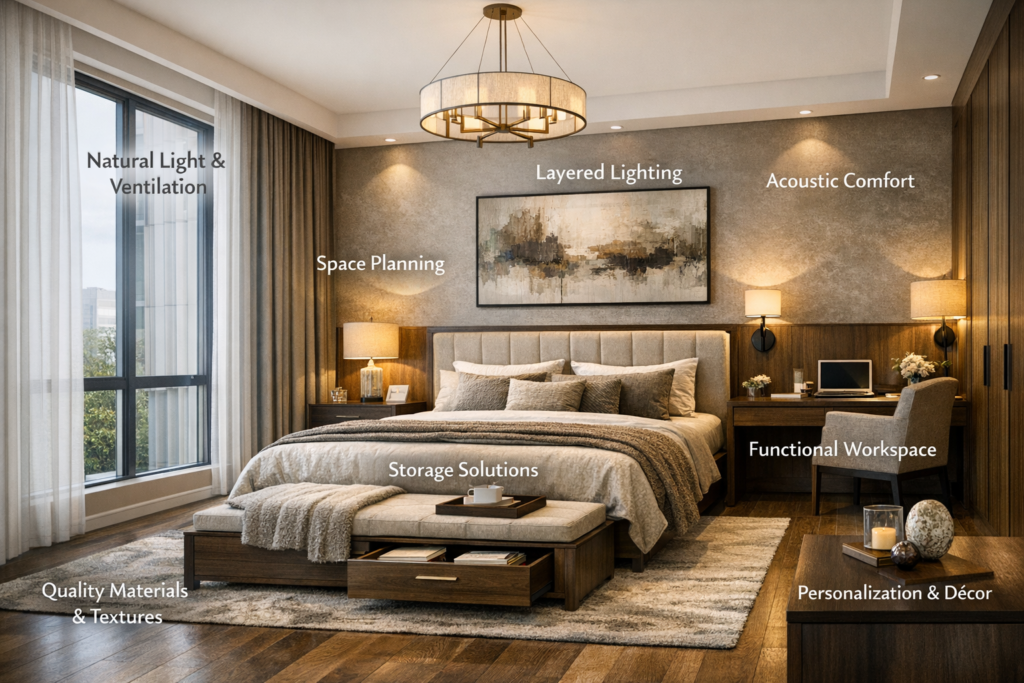
Designing the Perfect Bedroom is not just about choosing a bed or picking the right colors; it’s about creating a space that supports rest, balance, and everyday living. A well-designed bedroom functions as a personal retreat, blending comfort, efficiency, and elegance in a way that feels effortless.
From intelligent space planning and natural light to material selection, acoustics, and personalized details, every design decision shapes how the space is experienced. When architecture responds to lifestyle and emotional comfort, the bedroom becomes more than a room;
it becomes a sanctuary.
This guide explores the essential design principles that transform bedrooms into functional, calming, and beautifully balanced spaces, regardless of size or style.
DESIGNING FUNCTIONAL KITCHENS
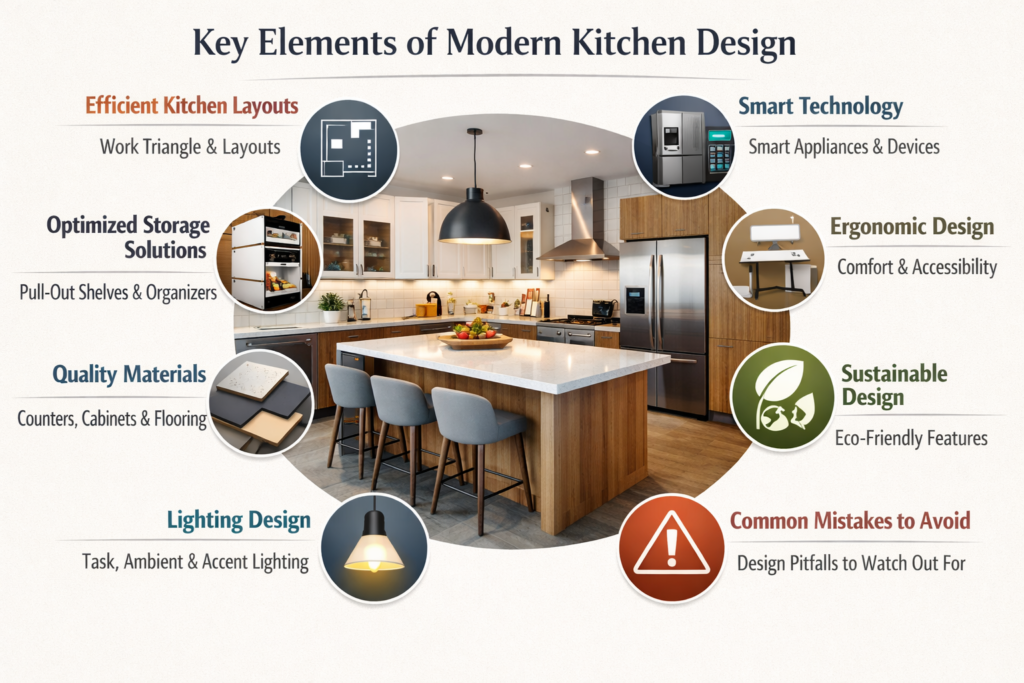
In every home, the kitchen plays a vital role, not because every day begins there, but because it quietly supports daily life. It’s where meals come together, pauses happen, and functionality truly matters. When a kitchen is poorly designed, even simple tasks feel tiring. When it’s done right, the space flows naturally and works effortlessly.
Good kitchen design isn’t about trends or costly finishes. It’s about understanding real use, how people move, store, cook, and interact. This article explores the principles of functional kitchen design, showing how thoughtful layouts, smart storage, proper lighting, durable materials, and modern technology can transform an ordinary kitchen into a space that genuinely works for its users.
A Quantity Surveyor’s Guide to Smart Cost Planning
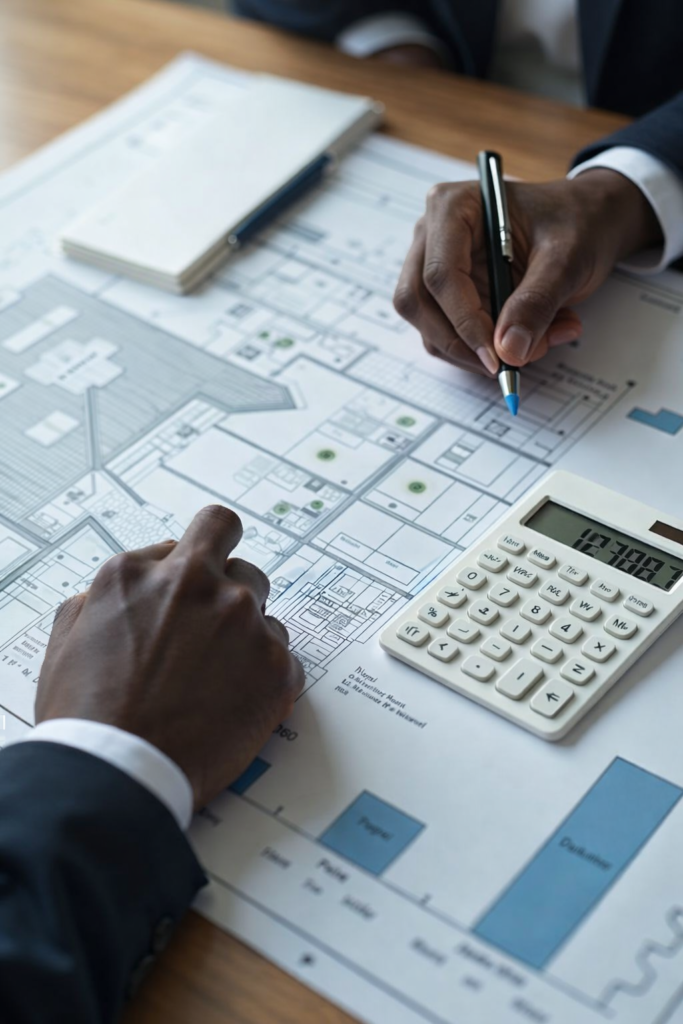
Thinking of building your dream home but worried about the cost? You don’t have to wait until you have all the money. Building in phases is a smart way to manage your budget, move forward step by step, and still end up with the home you’ve always wanted. In this article, a Quantity Surveyor explains how phased construction works, the common mistakes to avoid, and how proper cost planning can save you money, without compromising quality.