
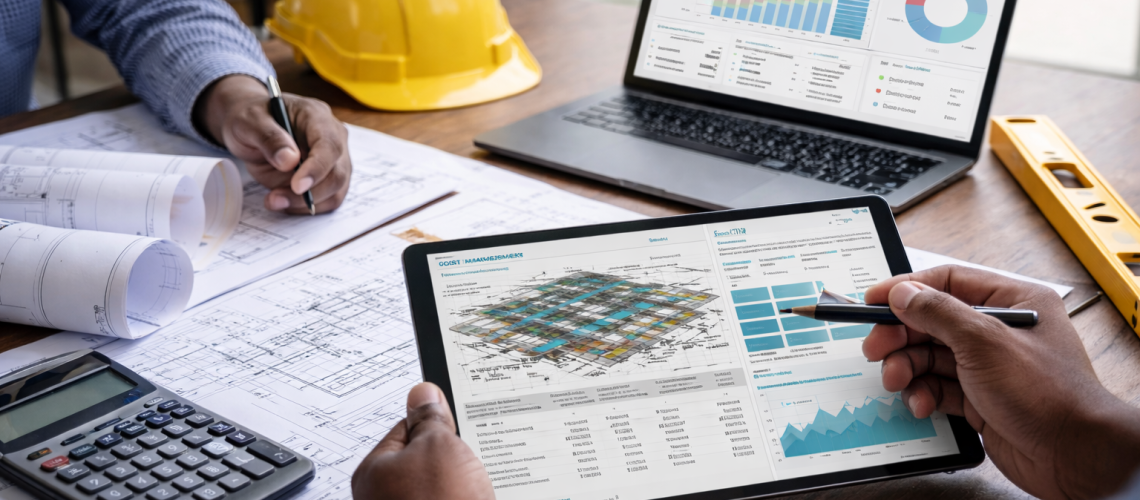

The construction industry has traditionally relied on manual calculations, paper drawings, and experience-based decision-making. While these methods have delivered many successful projects, they often leave room for costly errors, delays, and budget overruns. Today, technology is transforming how construction costs are planned, monitored, and controlled, and the role of the Quantity Surveyor is evolving with it.
For clients planning to build, this technological shift is good news. It means projects can now be managed with greater accuracy, transparency, and financial control than ever before.
- More Accurate Cost Estimates
One of the most important stages of any project is the initial cost estimate. In the past, estimates were largely based on manual measurements and previous project experience. While effective, this process could be time-consuming and prone to human error.
Modern digital tools now allow Quantity Surveyors to perform digital quantity take-offs directly from design drawings, improving both speed and accuracy. These systems automatically calculate quantities of materials such as concrete, steel, and finishes, reducing the risk of mistakes that could affect the project budget.
For clients, this means more reliable project budgets before construction even begins.
- Building Information Modelling (BIM)
One of the most influential technologies in construction today is Building Information Modelling (BIM). BIM creates a detailed digital model of a building that integrates architectural, structural, and service designs into one coordinated system.
For cost management, this is extremely powerful. Quantity Surveyors can extract quantities directly from the digital model, analyze design options, and evaluate how changes will affect project costs. This helps identify potential financial risks early in the planning stage, long before construction starts.
The result is better planning and fewer unexpected costs during the project.
- Real-Time Cost Monitoring
Technology is also improving how costs are monitored during construction. Instead of relying solely on periodic reports, modern project management platforms allow teams to track project expenses in real time.
This means clients and project teams can quickly identify when spending begins to exceed the budget and take corrective action immediately. Real-time data allows for faster decision-making and stronger financial control throughout the construction process.
- Improved Collaboration and Transparency
Cloud-based platforms now allow architects, engineers, contractors, and quantity surveyors to collaborate more effectively. Project documents, drawings, and financial reports can be shared instantly, ensuring that everyone is working with the most up-to-date information.
For clients, this level of transparency builds confidence. They can better understand how funds are being spent and how the project is progressing financially.
- The Future of Cost Management in Construction
Technology is not replacing the Quantity Surveyor; it is enhancing the profession. While digital tools improve speed and accuracy, professional expertise is still essential for interpreting data, managing risks, and making strategic financial decisions.
In fact, as construction projects become more complex, the role of the Quantity Surveyor as a financial advisor and cost management expert becomes even more critical.
For clients planning to build, working with a Quantity Surveyor who embraces modern technology means stronger cost control, better project planning, and a greater chance of delivering the project within budget.
In an industry where small cost errors can translate into major financial losses, technology is helping ensure that construction projects are managed with greater precision and confidence than ever before.