
Mastering Construction Site Dewatering: A Comprehensive Guide for the Rainy Season
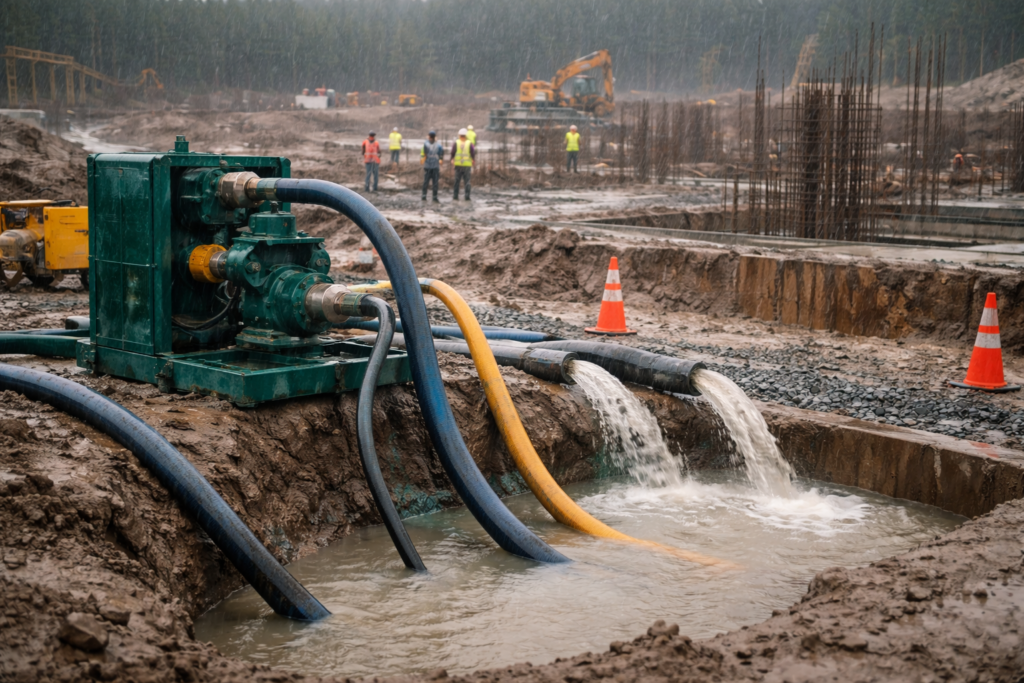
Rainy seasons can quickly turn a construction site into a muddy, unstable, and dangerous workspace if water isn’t properly managed. From surface runoff to rising groundwater, uncontrolled water threatens soil stability, worker safety, and project timelines. This article explains the problem in detail and breaks down practical dewatering methods, smart rainy-season strategies, and expert tips to keep your construction site dry, safe, and moving forward, even when the rain doesn’t stop.
Beyond Size: Building a Home That Ages With You

The house that feels perfect when children are young may feel very different twenty years later when rooms sit empty, and stairs become barriers instead of features.
A truly well-designed home doesn’t just celebrate today’s lifestyle; it quietly prepares for tomorrow. From ground-floor master bedrooms to flexible upper floors and future lift provisions, thoughtful design ensures your home remains comfortable, functional, and dignified at every stage of life.
How Your Home Design Affects Your Daily Life More Than You Realize

Building a home in Kenya is a milestone, but have you ever stopped to ask how your home will feel once you move in? Beyond the roofing design, square metre costs, and flashy finishes lies something far more powerful: the way your space shapes your mood, your relationships, your productivity, and even your stress levels. From poor space planning in Nairobi to dark interiors in Kitengela and neglected kitchens in modern maisonettes, many homeowners unknowingly design discomfort into their daily lives.
This piece explores why thoughtful architectural planning, from natural light and airflow to kitchen layout and outdoor space, matters more than most people realize. Because in the end, good architecture isn’t just seen.
It’s felt.
Renovating vs Building New: A Quantity Surveyor’s Perspective.
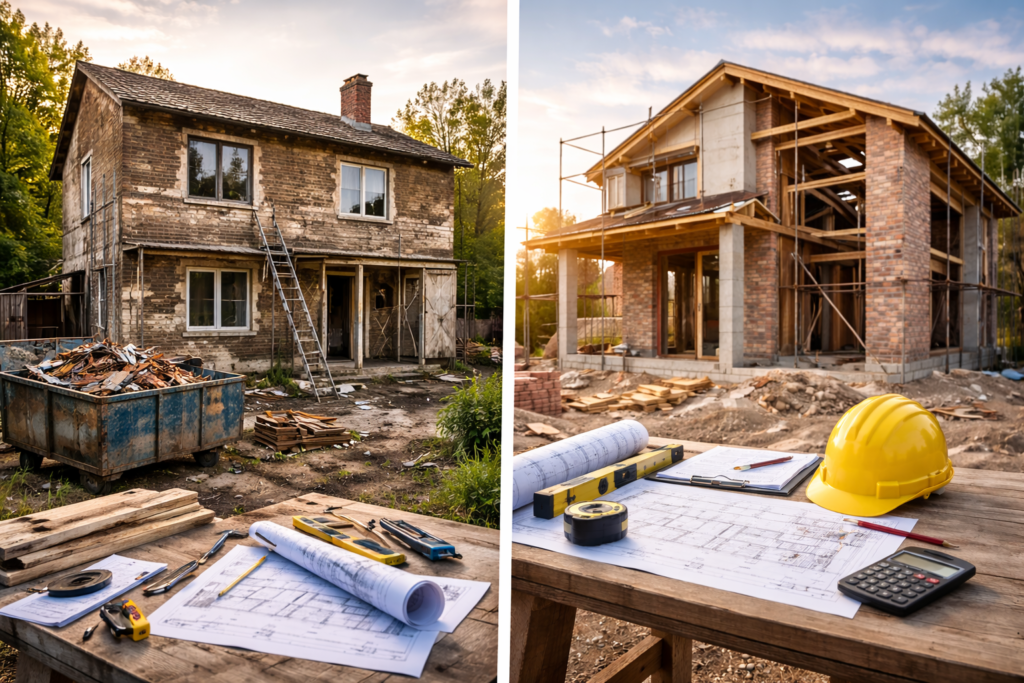
Should you renovate your existing property or build a new one?
From a Quantity Surveyor’s perspective, the answer goes beyond cost comparisons. New construction offers clarity, predictability, and full design control from the start, while renovation unlocks existing potential but requires careful investigation, risk awareness, and responsive planning.
This article explores the real differences between renovating and building new, focusing on planning philosophy, risk visibility, and long-term value. Whether upgrading an existing structure or starting from a blank canvas, the success of any project depends on clarity before commitment, proper cost planning, and professional coordination.
Why Do You Need a Quantity Surveyor Before You Start Building Your Home?
For many people, building a home takes years of saving, sacrifice, and planning. Yet one mistake made before construction begins can turn that dream into financial stress. Starting a project without knowing the true cost often leads to stalled work, overpayments, and unfinished homes.
A Quantity Surveyor acts as your financial guide throughout the building journey. Before construction starts, they reveal the real cost of your home, help you plan your budget realistically, and protect you from hidden expenses. During construction, they ensure every payment matches the work done and that your money is spent wisely.
This article explains why involving a Quantity Surveyor early is not an extra cost, but a smart investment that safeguards your home, your savings, and your peace of mind.
The Suffering Behind the Doctrine of the “Lowest Bidder” Quotation

The decision that defines the success or failure of a construction project is often made long before the first block is laid, the choice of a contractor. What appears to be a smart financial move on paper can quietly turn into a costly lesson when the lowest bid is chosen without deeper scrutiny.
Behind unusually cheap quotations often lie hidden omissions, compromised quality, and future disputes waiting to surface. As construction progresses, the true cost reveals itself through endless variations, delays, and repairs that drain both finances and peace of mind. This article unpacks why the cheapest option is rarely the most economical and why value, transparency, and professional competence remain the safest foundation for any successful project.