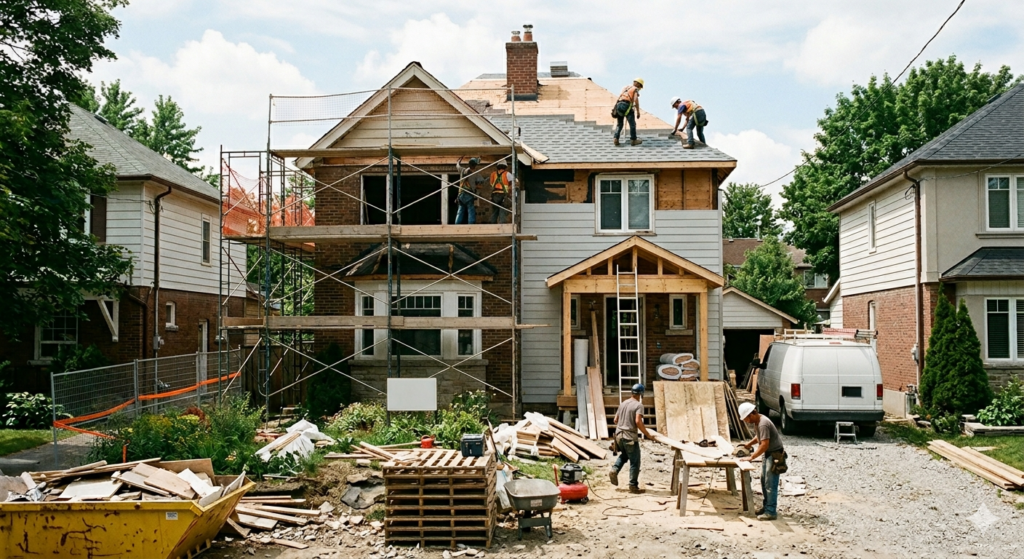

Renovation is exciting. It’s the moment homeowners finally get to improve their space, fix what’s not working, and turn an old house into something they love again. However, in the excitement of opening up spaces and modernizing homes, one critical area is often overlooked or misunderstood: structural changes.
Structural elements are the backbone of your home. When handled incorrectly during renovation, they can lead to cracks, costly repairs, unsafe living conditions, or even total structural failure.
Structural changes affect the parts of a building that carry load or provide stability, such as:
- Load-bearing walls
- Columns and beams
- Foundations
- Slabs
- Roof structure
Any alteration to these elements affects how the entire building stands.
>Here’s what every homeowner must understand before making any structural changes.
1. Never Assume a Wall Is “Just a Wall”
One of the most common renovation mistakes is removing walls to create open-plan spaces without proper assessment. Some walls carry the weight of floors or roofs above, removing them can cause:
-Cracks in walls and ceilings
-Sagging slabs
-Structural instability over time
What should be done instead:
- Have a structural assessment done before demolition
- If removal is necessary, replace the wall with a properly designed beam or column
2. Structural Cracks Are Warning Signs, Not Decorations
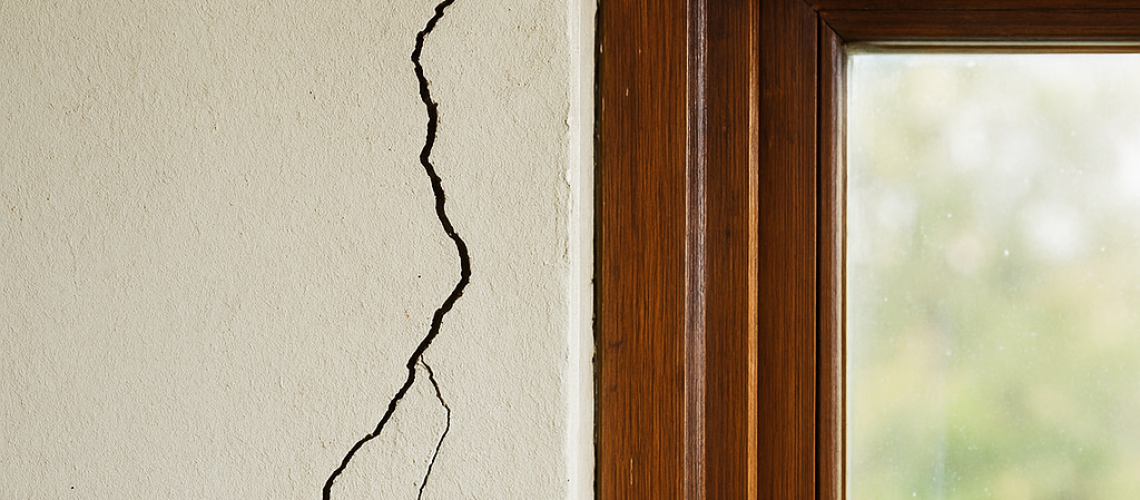
Cracks are often painted over during renovation,but this can hide serious issues.
Cracks you should never ignore:
-Diagonal cracks near doors or windows
-Cracks that widen over time
-Cracks running from the foundation upward
What they may indicate:
-Foundation movement
-Overloading of structural elements
-Poor past construction
Before the renovation finishes, the root cause must be fixed, not covered.
3. Old Foundations May Not Support New Loads
Many homeowners renovate by: Adding extra floors, changing roof types and installing heavy finishes like stone or concrete features
Old foundations may not be designed to support these additional loads. When this happens, problems such as settlement, uneven floors, structural cracks, and long-term instability can occur. A foundation assessment is therefore essential to ensure your home can safely support the proposed changes.
4. Columns and Beams Are Not Design Features
Columns and beams are sometimes removed or altered because they “ruin the look.”
This is extremely risky.
Why they matter:
-They transfer loads safely to the foundation
-Altering them without engineering design weakens the structure
The right approach:
-Work with professionals to redesign, not remove
-Integrate structural elements into the interior design creatively
5. Roof Structure Changes Affect the Entire Building
Changing roof styles, materials, or adding ceilings affects how weight is distributed.
Common mistakes:
-Replacing lightweight roofing with heavier materials
-Modifying roof trusses without calculations
This can lead to: Cracks, Roof sagging and Structural stress
Roof changes must always be structurally designed, not guessed.
6. Renovations Reveal Hidden Structural Problems
Once demolition begins, hidden issues often appear:
- Corroded reinforcement
- Weak concrete
- Poor workmanship from previous construction
Ignoring these to “save time” only increases future repair costs.
A good renovation team addresses what’s hidden, not just what’s visible.
7. Structural Changes Require Professional Approval
Structural work is not a DIY or fundi-only task.
You need:
-Architects for proper planning
-Structural engineers for safety calculations
-Approvals to ensure compliance
Skipping this step risks: Unsafe homes, Legal issues, and Insurance complications
8. Renovation Is Not the Time to Cut Costs
Cutting costs on finishes can be adjusted later.
Cutting costs on structure can compromise safety and endanger lives.
Structural integrity should always come before aesthetics.
Why Professional Guidance Matters
At the heart of safe renovations is a proper understanding.
A professional design-and-build approach ensures:
-Your home remains safe
-Changes are structurally sound
-Renovations add value, not problems
When structural changes are handled correctly, homeowners get what they truly want:
peace of mind, safety, and a home they can enjoy every day.
Before you knock down a wall or add extra weight to your home, ask this question:
“Is my house structurally ready for this change?”
The right answer can save you stress, money, and regret.